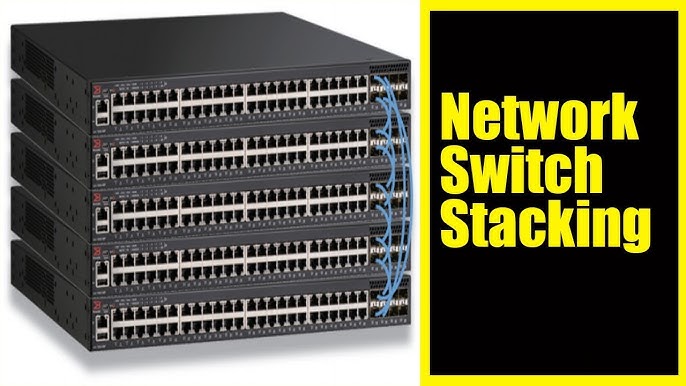
Stacking network switches is a practical solution for building an efficient local area network (LAN) at home or in the office. When multiple devices need to be connected, combining network switches enables them to function as a unified switch, simplifying management while boosting bandwidth through increased ports. This approach enhances network availability, scalability, and performance, often serving as a cost-effective alternative to upgrading to larger, more powerful switches. It’s important to note that stacking isn’t just about physically placing switches on a shelf.
Stackable switches offer advanced functionality, allowing seamless management through a single IP address. They can share resources and configurations, making remote administration straightforward. Additionally, many stacking solutions provide flexibility, enabling users to combine different technologies, models, and in some cases, even brands. Here are key advantages of using stackable switches:
Simplified management
By stacking switches, you essentially bring them together under a unified system. This simplifies management significantly, especially in busy networks with multiple switches. With a single IP address, you can oversee and control the entire stack, making administration far more convenient and efficient. The stack master switch handles configurations and passes them to all other switches in the group, saving both time and effort compared to managing each switch individually. This streamlined approach also reduces operational costs.
Increased Bandwidth
Switch stacking and port aggregation are powerful techniques to enhance network bandwidth and reliability by bundling physical ports into logical connections. Stackable switches often provide significantly higher bandwidth, with some models exceeding 200Gb (e.g., 20 ports rated at 10Gb each). In contrast, standalone switches typically offer only a few 10Gb ports, if any. These capabilities make stacked switches ideal for environments that demand high-performance networking, such as data centers, advanced home labs, and video streaming setups where handling large volumes of data efficiently is crucial.
High Availability
The architecture of a switch stack inherently supports redundancy, ensuring network stability even during outages. If the stack master fails, a backup switch seamlessly takes over, maintaining uninterrupted operations. Additionally, link aggregation across multiple devices creates logical connections that boost both bandwidth and redundancy. This design minimizes the risk of a single point of failure, helping to maintain a stable, reliable, and high-performing network. Stackable switches excel in delivering these advantages and more.
Scalability
Stackable and modular solutions, such as stackable network switches, naturally offer greater scalability. While you could keep purchasing standalone switches and mounting them in a cabinet, this approach misses out on the full potential of stackable systems. Unlike standalone switches, which require individual management, stackable switches function as a single entity, streamlining administration. Unless standalone switches support cloud management — a completely different approach — managing them can be far more tedious and inefficient.
Stackable switches aren’t the ideal solution for everyone. They won’t address all network-related challenges and are best suited for specific use cases based on your network requirements. Compared to standalone switches, stacks come with certain drawbacks. One major consideration is cost—modular chassis systems can often be more economical and customizable to meet extensive port requirements. Additionally, stackable switches require specialized hardware with stack-compatible architectures, which may not provide the same level of resiliency and redundancy as high-end modular switches.